

Read bio
Based in Texas, John regularly contributes to insurance blogs and publications, offering expert insights on coverage trends, money-saving strategies, and industry best practices. Outside of his professional work, he is an avid golfer and enjoys spending weekends on the course, where he combines his love of the game with networking opportunities and building lasting client relationships.
Choosing a car insurance policy can be overwhelming — especially when you’re looking for no down payment car insurance. While it sounds like a zero-cost entry, the reality is that total costs are often distributed differently rather than eliminated.
If you’re considering this option, it’s essential to understand how pricing actually works. You can explore basic coverage structures here:
no down payment car insurance.
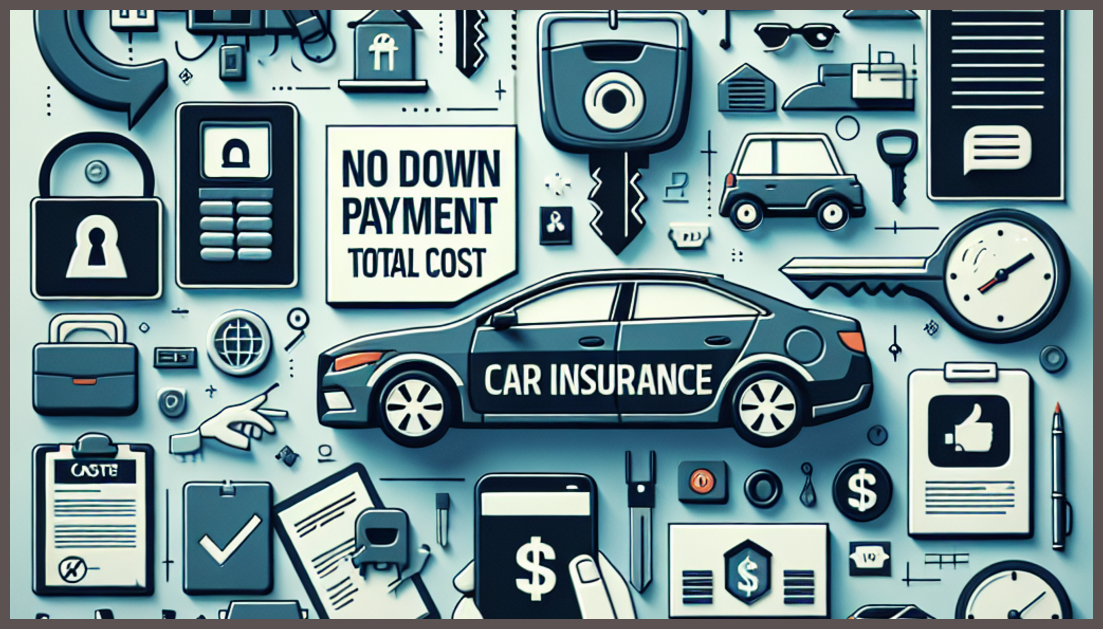
💳 No Large Upfront
Start coverage immediately without paying hundreds upfront.
📈 Higher Monthly
Costs are shifted into monthly payments instead of eliminated.
⚠️ Hidden Fees
Installments, processing fees, and penalties may apply.
💰 Monthly Payments vs Total Cost
One of the biggest misconceptions is that no down payment insurance is cheaper. In reality, you often pay more over time.
| Insurance Type | Upfront Cost | Monthly Cost | Total Cost (6 months) |
|---|---|---|---|
| Traditional Policy | $150 – $400 | $90 – $140 | $690 – $1,240 |
| No Down Payment | $0 – $50 | $120 – $220 | $720 – $1,320 |
👉 Conclusion: You reduce the upfront burden — but often increase the total paid.
⚠️ Hidden Costs You Should Know
- Installment fees (monthly billing charges)
- Late payment penalties
- Policy reinstatement fees
- Higher premiums due to risk classification
If speed is your priority, options like
same-day car insurance
can get you covered instantly — but always review the full cost breakdown.
📊 Real Example: Cost Breakdown
Driver Profile: 25-year-old, average credit, urban area
- Monthly premium: $180
- Policy length: 6 months
- Total paid: $1,080
- Extra fees: $60
Total real cost: $1,140
🧠 How to Reduce Your Total Cost
📉 Increase Deductible
Higher deductible = lower monthly premium.
🎯 Compare Quotes
Always compare multiple insurers before choosing.
🚗 Choose Coverage Wisely
Liability is cheaper than full coverage.
💡 Improve Credit
Better credit = better rates in most states.
If you’re looking for the lowest entry cost possible, check:
low deposit insurance options
.
🚗 Full Coverage vs Liability Cost Impact
Choosing the right level of protection affects your total cost significantly.
- Liability: cheapest option, limited protection
- Full coverage: higher cost, full financial protection
If you’re unsure, compare both options here:
compare full coverage quotes
.
📌 When Is No Down Payment Insurance Worth It?
- When you need immediate legal coverage
- If you cannot afford upfront payments
- Short-term financial flexibility is required
- You plan to switch policies later
❓ Frequently Asked Questions
Is no down payment car insurance really free?
No — it simply spreads the cost across monthly payments, often increasing the total price.
Why are monthly payments higher?
Because insurers assume more risk without upfront payment and include installment fees.
Can I switch to a cheaper policy later?
Yes, many drivers start with no down payment and later move to lower-cost plans.
Does it affect my credit?
Missed payments can impact your credit and future insurance rates.
What is the cheapest option overall?
Typically, paying upfront results in lower total cost compared to installment-based plans.
📊 Bottom Line
No down payment car insurance offers flexibility — but not necessarily savings. Understanding how costs are structured helps you avoid overpaying and choose the best option for your financial situation.