
Understand how no down payment car insurance actually works, what insurers really offer, and how to reduce your upfront cost in 2026.
The idea of no down payment car insurance is extremely appealing, especially if you need coverage immediately but don’t have the money available for a large upfront deposit. Many drivers search for this option when buying a car, switching providers, or trying to reinstate a canceled policy.
But here’s the truth most websites don’t explain clearly: “no down payment” rarely means zero cost. In most cases, insurance companies still require some type of initial payment. What you’re really looking for is a policy with a low upfront cost, flexible billing, or a reduced first payment.
If you’re new to how these policies work, start with our How It Works guide, browse more educational resources in our Insurance Guides, or return to the homepage to explore all available coverage options.
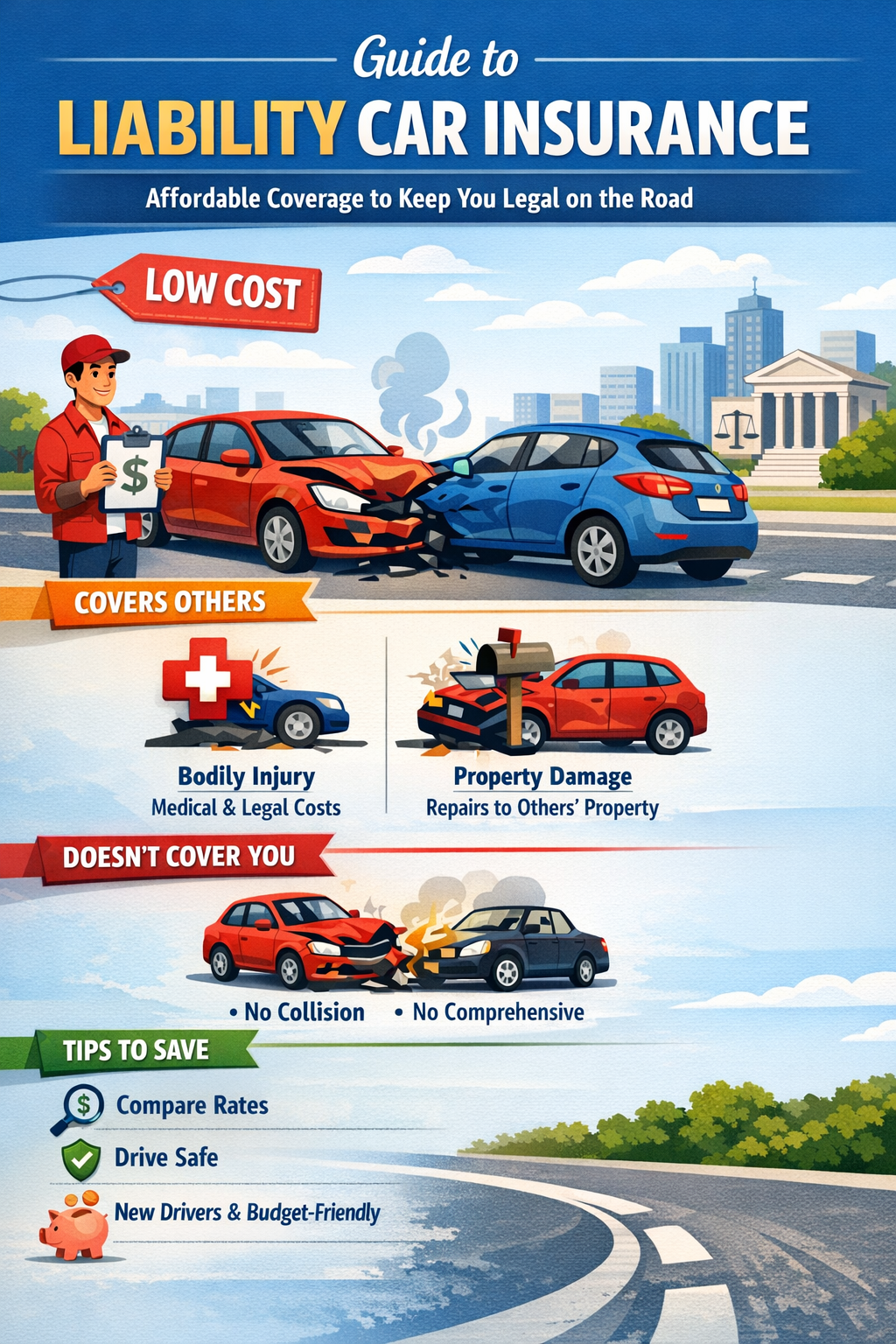
Before choosing a policy, it helps to understand the difference between payment structure and coverage type. A policy with a low first payment is not always the same as a policy with lower overall cost, and choosing the right balance depends on your budget, vehicle, and legal requirements in your state.
What Does “No Down Payment” Actually Mean?
In real-world insurance terms, “no down payment” usually refers to policies that reduce the amount you need to pay upfront when starting coverage. Instead of requiring a large deposit, insurers may offer:
- Lower initial payments
- Split billing options
- Monthly payment structures
- Flexible financing-style plans
This allows drivers to start coverage without a heavy financial burden. However, insurers still need to reduce their risk, which is why completely free activation is extremely rare. In practice, many of these offers are closer to low down payment car insurance than truly zero-down coverage.
Why Insurance Companies Require an Initial Payment
Insurance companies take on financial risk the moment your policy becomes active. Even if you file a claim on the first day, they are responsible for covering it. Because of that, they require at least a minimum payment to:
- Confirm commitment from the customer
- Reduce fraud and non-payment risk
- Cover administrative and underwriting costs
So while “no down payment” sounds like zero cost, the reality is more about minimizing upfront expense, not eliminating it entirely. That’s also why many drivers compare this option against low-deposit alternatives that may be easier to qualify for.
Traditional vs Low Down Payment Insurance
If your main goal is to spend as little as possible right now, a low upfront plan can be attractive. But if you can afford a slightly larger first payment, your total cost over time may be lower. This is why comparing payment structures carefully matters just as much as comparing the coverage itself.
Can You Get Car Insurance With $0 Down?
Technically, it is possible in very rare cases, but it’s not common. Most drivers will encounter:
- Small initial payments instead of zero
- First month payment required upfront
- Installment-based billing systems
Some insurers may advertise “no deposit” or “no down payment,” but this often means the first payment is simply reduced or delayed. If you specifically want to explore that angle, you can also compare offers marketed as no down payment car insurance.
If your goal is speed rather than cost, you should also look into same-day car insurance, which focuses on immediate activation and can be useful when you need proof of coverage right away.
How Pricing Really Works With Low or No Down Payment Insurance
One of the most important things to understand is how pricing changes when you choose a low upfront payment option. While it may feel like you’re saving money at the beginning, the structure of the policy often shifts the cost over time rather than eliminating it.
Insurance companies calculate premiums based on risk, and when you reduce your initial payment, they compensate in other ways. This can include higher monthly installments, additional service fees, or slightly increased total policy cost.
For example, instead of paying $300 upfront and $90 per month, you might pay $80 upfront but $110 per month. While the entry cost is lower, the overall cost of the policy could be higher over the full term. Drivers comparing payment-focused options often also compare the total value of affordable full coverage car insurance if they want broader protection for a financed or newer vehicle.
Key Factors That Affect Your Upfront Cost
Several factors determine how much you’ll need to pay when starting a policy:
- Driving record: Accidents and violations increase risk and upfront cost
- Location: Urban areas tend to have higher insurance rates
- Vehicle type: Expensive or high-performance cars cost more to insure
- Coverage level: Full coverage requires higher initial payments than liability-only
- Credit profile: In some states, this may impact your premium
Understanding these variables can help you adjust your policy strategically and reduce what you pay upfront. For example, some drivers can save significantly by choosing cheap liability car insurance instead of more comprehensive protection when their vehicle’s value is lower.
Common Mistakes to Avoid
When searching for no down payment car insurance, many drivers make decisions based only on the initial cost. This can lead to problems later. Here are some of the most common mistakes to avoid:
- Focusing only on the first payment: Always check the total policy cost
- Ignoring fees: Some plans include installment or processing fees
- Choosing minimum coverage blindly: Lower cost can mean less protection
- Not comparing enough providers: Prices vary significantly between companies
A better approach is to balance affordability with protection. A slightly higher upfront payment might actually save you money over time if it reduces your monthly premium. This is especially true if you are deciding between a basic liability plan and affordable full coverage.
Is No Down Payment Insurance Worth It?
For many drivers, the answer is yes — especially if immediate coverage is needed and cash flow is limited. These policies make it possible to stay legally insured without delaying coverage due to financial constraints.
However, it’s important to understand that this is a short-term flexibility solution, not necessarily the cheapest long-term option. If you have the ability to pay a larger deposit, you may benefit from lower monthly payments and reduced total cost.
Ultimately, the best option depends on your situation. If you need coverage today and can’t afford a large upfront payment, this type of policy can be extremely useful. If your goal is to minimize total cost, comparing different payment structures becomes essential. Many people start with the basics in our insurance guides before choosing a final policy.
Who Should Consider No Down Payment Insurance?
This type of insurance is ideal for drivers who need flexibility. It is particularly useful for:
- People with limited cash available
- Drivers who need coverage immediately
- High-risk drivers facing high deposits
- Young drivers starting their first policy
- Drivers switching insurance companies quickly
If you fall into one of these categories, reducing your upfront cost can make a big difference — but you should still evaluate the long-term cost. Some drivers in this situation also benefit from comparing low down payment policies alongside same-day activation options.
How to Get No Down Payment Car Insurance
Getting this type of coverage requires strategy. Here’s a step-by-step approach:
1. Compare Multiple Providers
Not all insurers offer flexible payment plans. Comparing quotes is essential if you want to find the lowest upfront cost. A good place to begin is by reviewing the foundation of how these offers work in our How It Works page.
2. Adjust Your Coverage
Choosing liability-only coverage instead of full coverage can significantly reduce your initial payment. If your vehicle is older and paid off, switching to cheap liability car insurance may be a smart move.
3. Increase Your Deductible
A higher deductible lowers your premium, which can reduce the amount required upfront. Just make sure you can comfortably afford the deductible if you need to file a claim later.
4. Choose Monthly Billing
Monthly payment plans allow you to spread costs instead of paying everything at once. This can help if your immediate budget matters more than the total long-term cost.
Pros and Cons
Pros
- Lower upfront cost
- Faster access to insurance
- Better for tight budgets
- Flexible payment options
Cons
- Higher monthly payments
- Possible installment fees
- More expensive long-term
- Limited provider availability
Ways to Reduce Your Upfront Payment
If your goal is to minimize the initial cost, here are proven strategies:
- Maintain a clean driving record
- Bundle policies when available
- Ask for discounts
- Compare at least 3–5 providers
- Choose a higher deductible
You can also explore alternatives depending on your needs. For example, a driver who wants the bare minimum legal protection might prefer cheap liability coverage, while someone with a newer vehicle may still want affordable full coverage.
In other words, the best way to lower your first payment is not always to chase “zero down” advertisements. It is often more effective to choose the right coverage type, compare billing options carefully, and understand the tradeoff between what you pay now and what you will pay later.
Frequently Asked Questions
Is no down payment insurance real?
Yes, but it usually means low upfront cost — not zero.
Can I get insured instantly?
Yes, many providers offer same-day activation once payment is made. You can learn more on our same-day car insurance page.
Does this increase total cost?
Often yes — lower upfront costs typically mean higher monthly payments.
What if I only need the cheapest legal coverage?
In that case, comparing cheap liability car insurance may be a better fit than broader protection.
Ready to Compare Your Options?
Explore smarter ways to lower your upfront car insurance cost and find the payment structure that fits your budget.